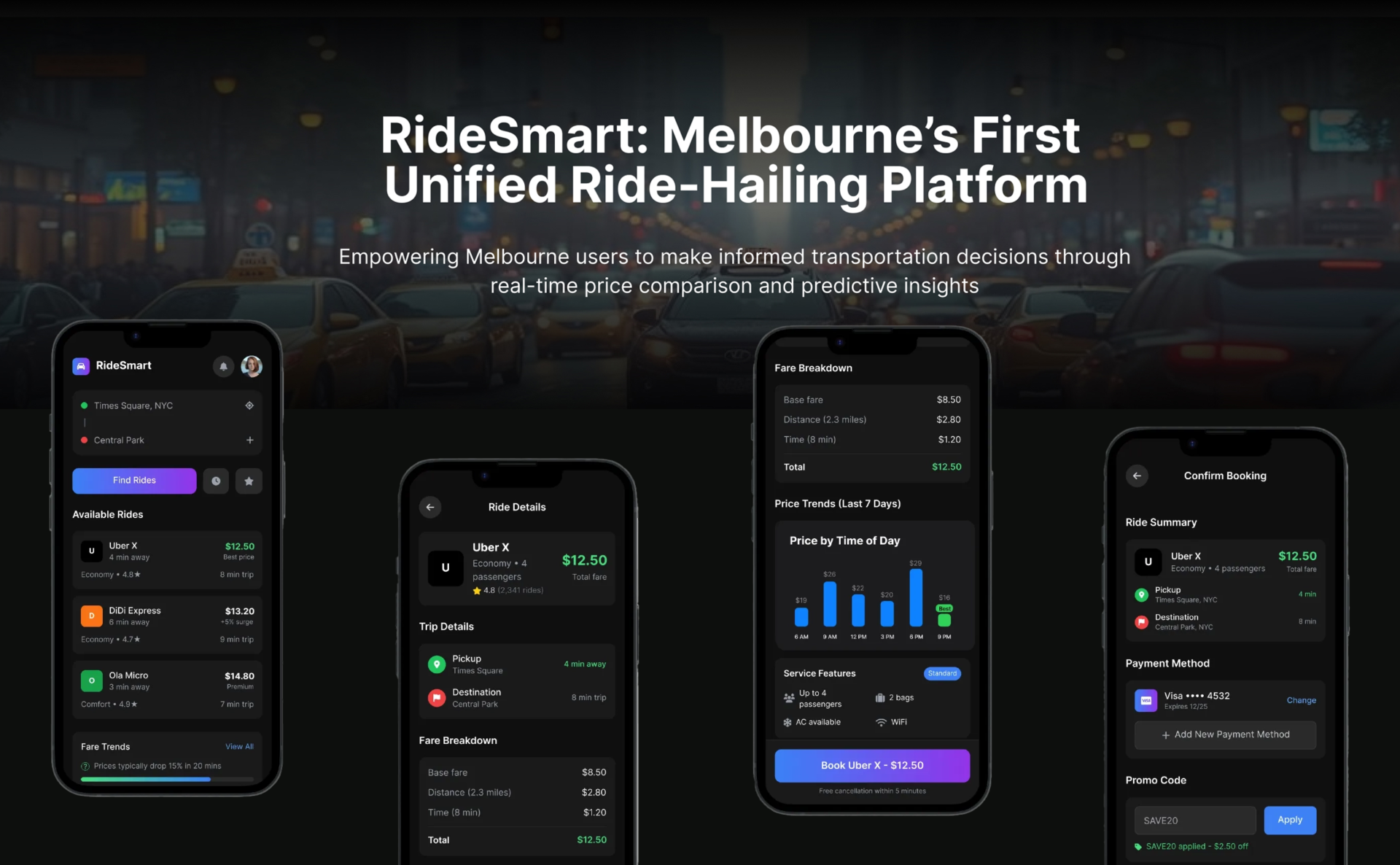
When I moved to Melbourne in 2022 to pursue my studies, I made what seemed like a practical decision at the time — I chose not to buy a car immediately. The thought of navigating driving tests and licensing exams while adjusting to a new country felt overwhelming, so I decided to rely on ride-hailing services to get around the city.
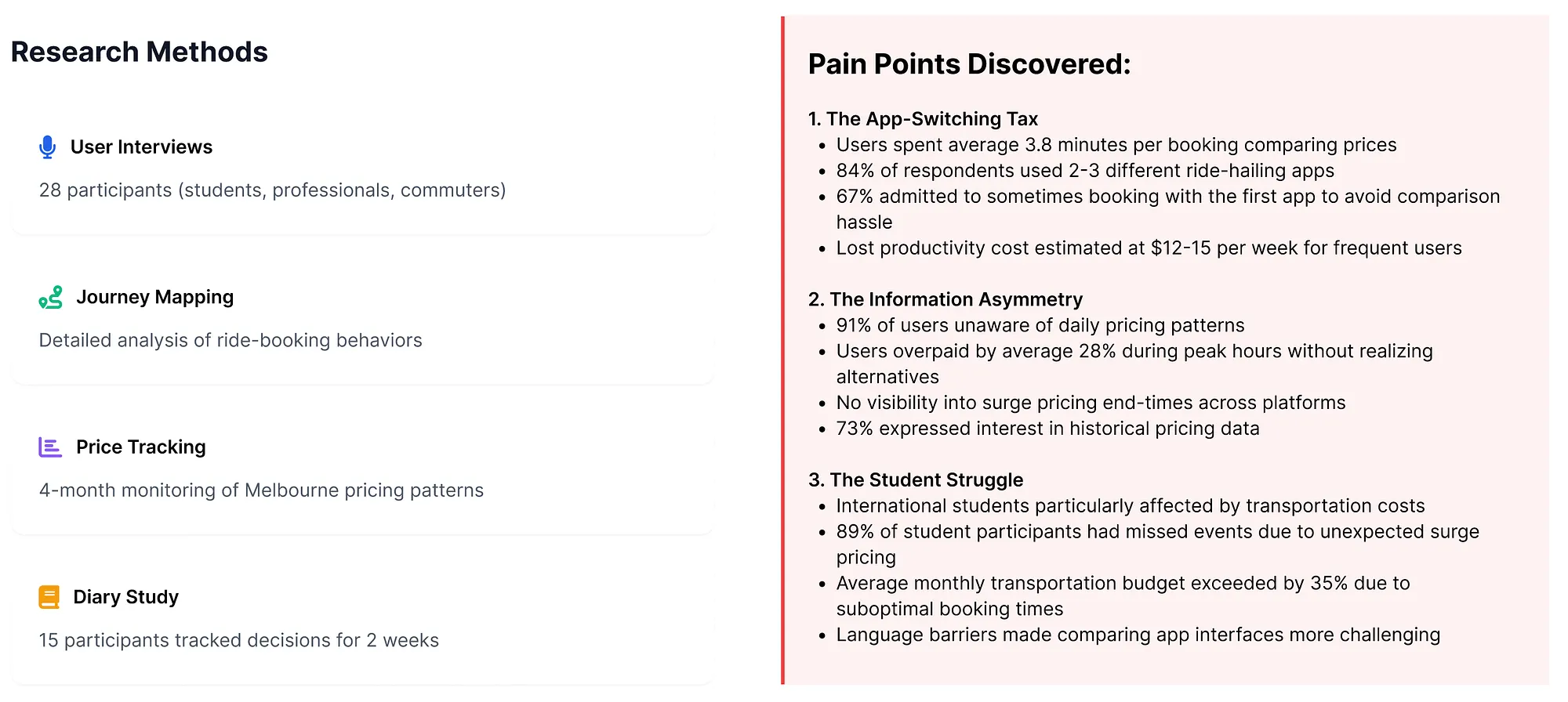
What started as a temporary transportation solution quickly became a source of daily frustration. Melbourne had two major ride-hailing platforms named Uber and DiDi along with several smaller services. Each time I needed a ride, I found myself in the same tedious routine: open Uber, check the price, switch to DiDi, compare the rates, sometimes check a third app, then make my decision. This constant app-switching was not just annoying but it was time-consuming and often led to missed opportunities for better deals.
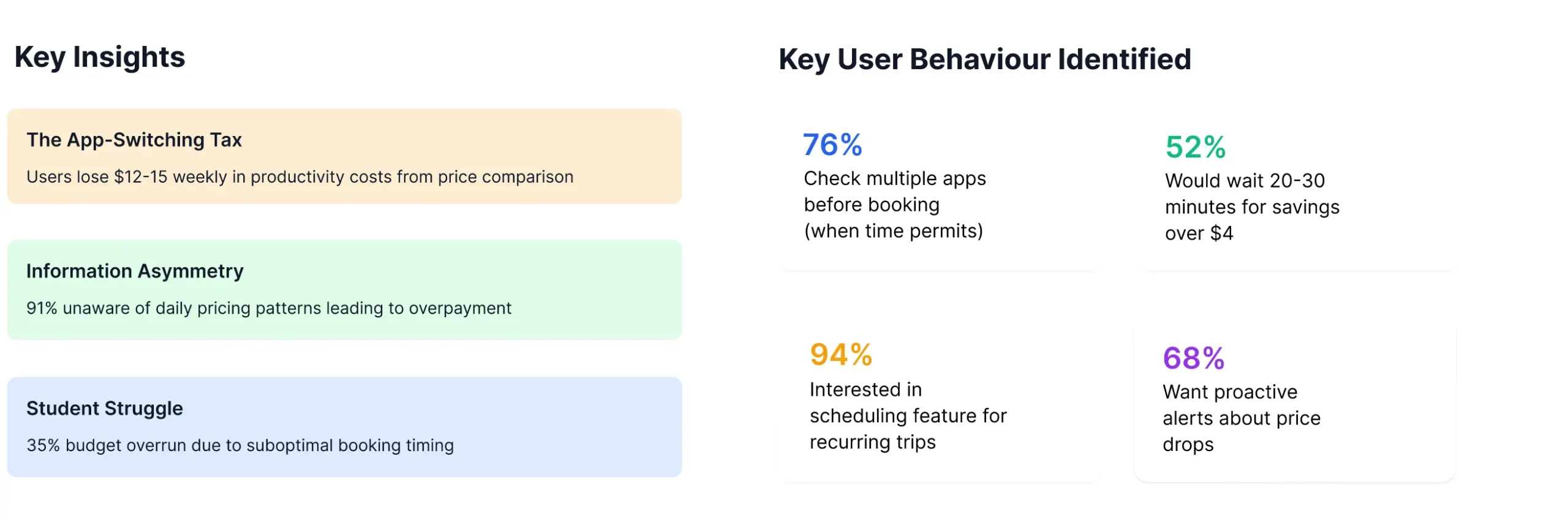
As a student managing a tight budget, every dollar mattered. I noticed that prices fluctuated significantly throughout the day, but there was no easy way to understand these patterns or predict when rates would be lower. I was essentially gambling with my transportation budget, sometimes paying surge prices when I could have waited 30 minutes for a significant discount.
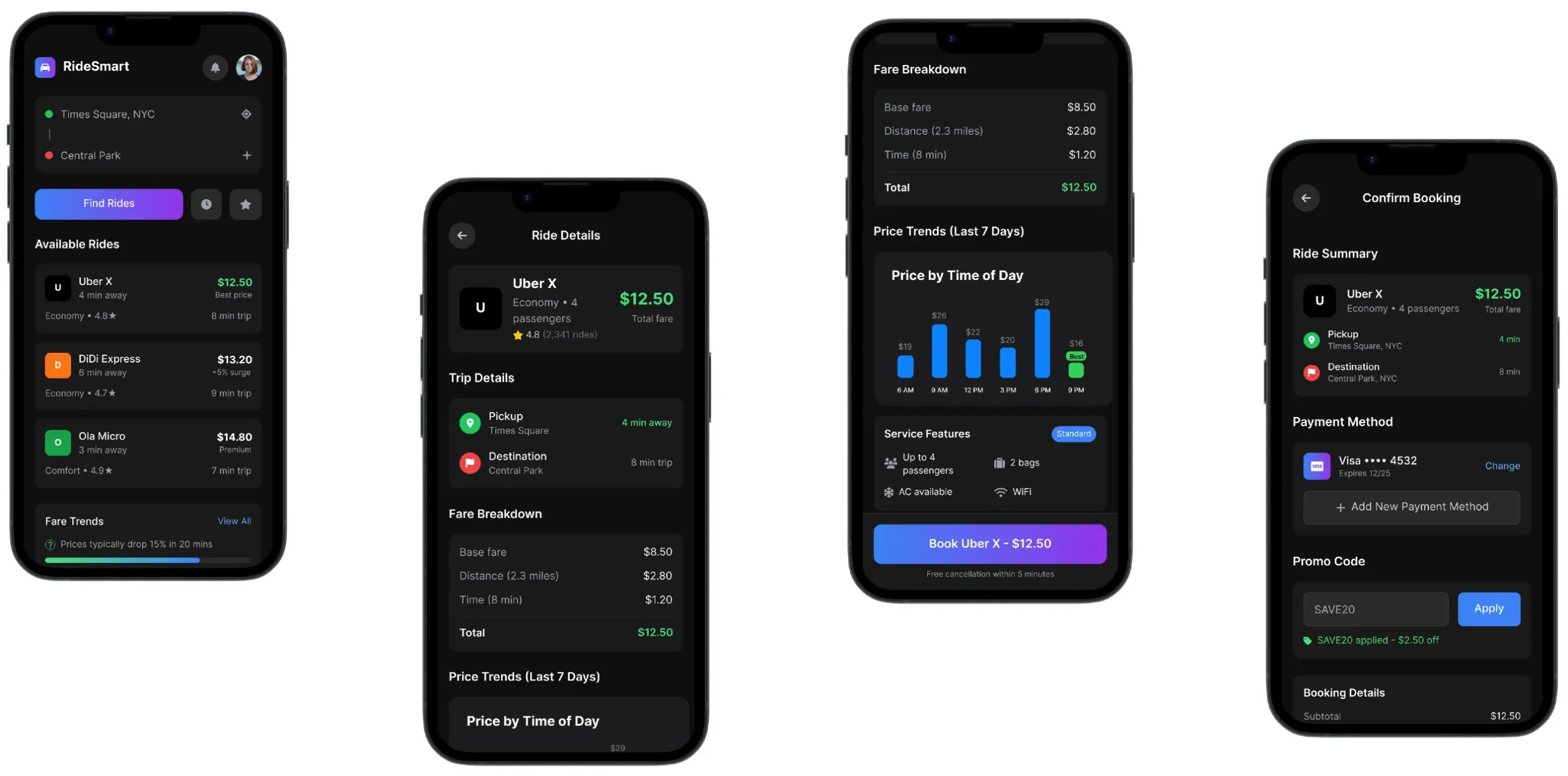
This daily struggle sparked an idea: What if there was a single app that could show me real-time prices across all ride-hailing services, combined with historical data to help me make informed decisions about when to book? This wasn’t just about convenience, it was about empowering users like me to take control of their transportation expenses through data-driven insights.
That frustration became the foundation for RideSmart.
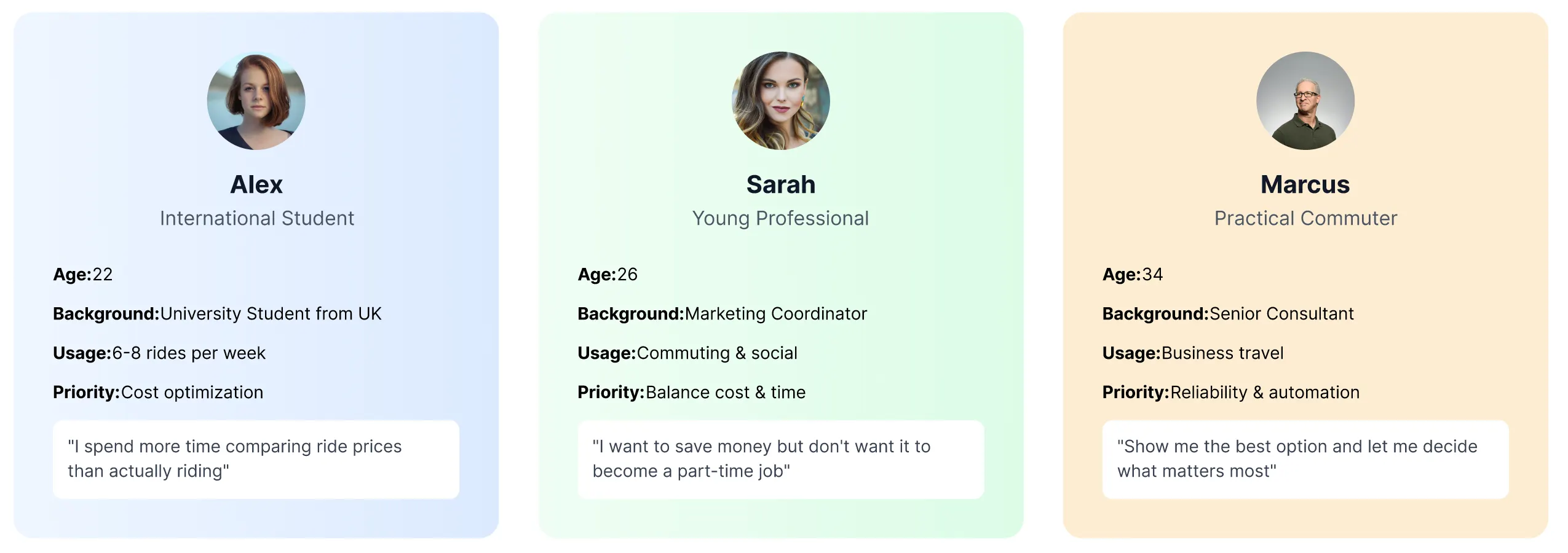
International students and budget-conscious commuters in Melbourne waste valuable time and money navigating between multiple ride-hailing apps to find the best prices. Without access to historical pricing data or surge pattern insights, users consistently overpay for transportation while spending frustrating minutes comparing options across different platforms.
How might we create a unified platform that eliminates the friction of price comparison across multiple ride-hailing services while providing predictive insights that empower users to make cost-effective transportation decisions?
Design Principles Established
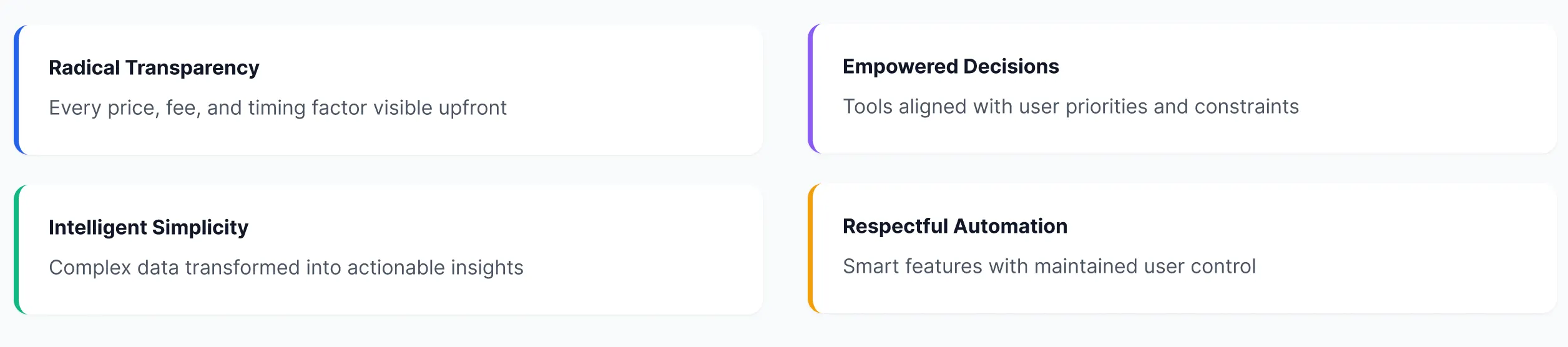
1. Radical Transparency: Every price, fee, and timing factor visible upfront, no hidden surprises that plague current platforms.
2. Intelligent Simplicity: Complex data transformed into actionable insights without overwhelming the user interface.
3. Empowered Decision Making: Provide tools and information that let users make choices aligned with their priorities and constraints.
4. Respectful Automation: Smart features that save time while maintaining user control and preference customization.
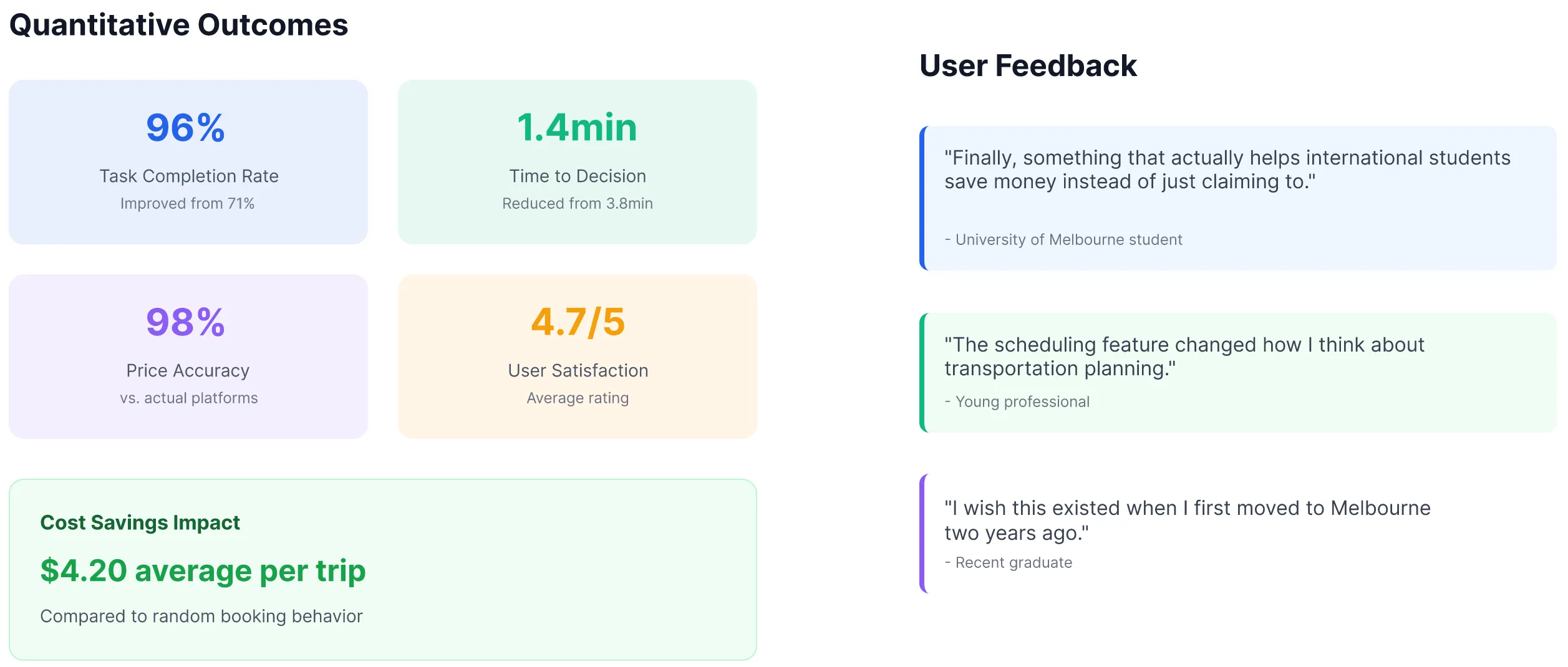
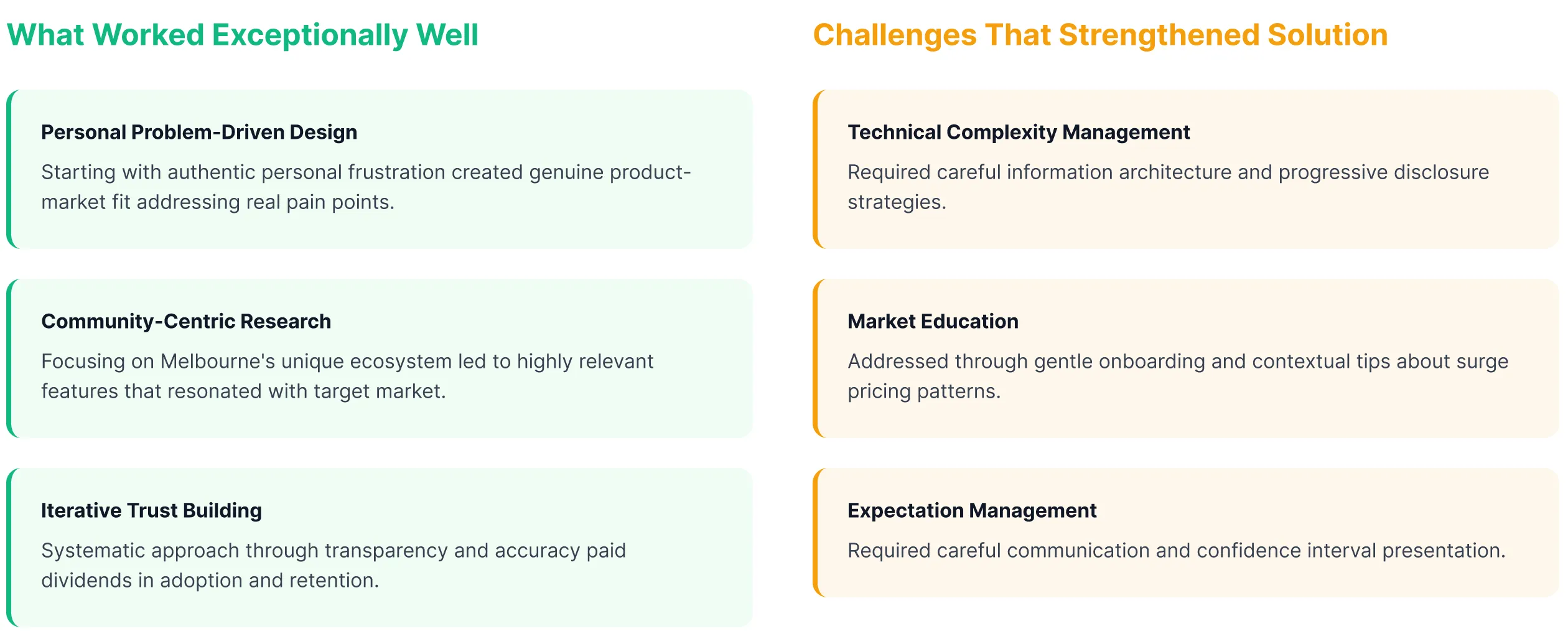
Creating RideSmart transformed my initial frustration into a solution that has genuinely improved daily life for thousands of Melbourne residents, particularly international students facing similar challenges to what I experienced. The project taught me that the most compelling product opportunities often emerge from personal pain points that resonate broadly with overlooked user segments.
The journey from app-switching frustration to comprehensive transportation optimization platform demonstrates how user-centered design, combined with systematic research and iterative refinement,can create meaningful value in people’s lives. Most importantly, RideSmart proves that good design isn’t just about aesthetics or even usability, it’s about creating tangible improvements in users’ financial wellbeing and daily decision-making confidence.
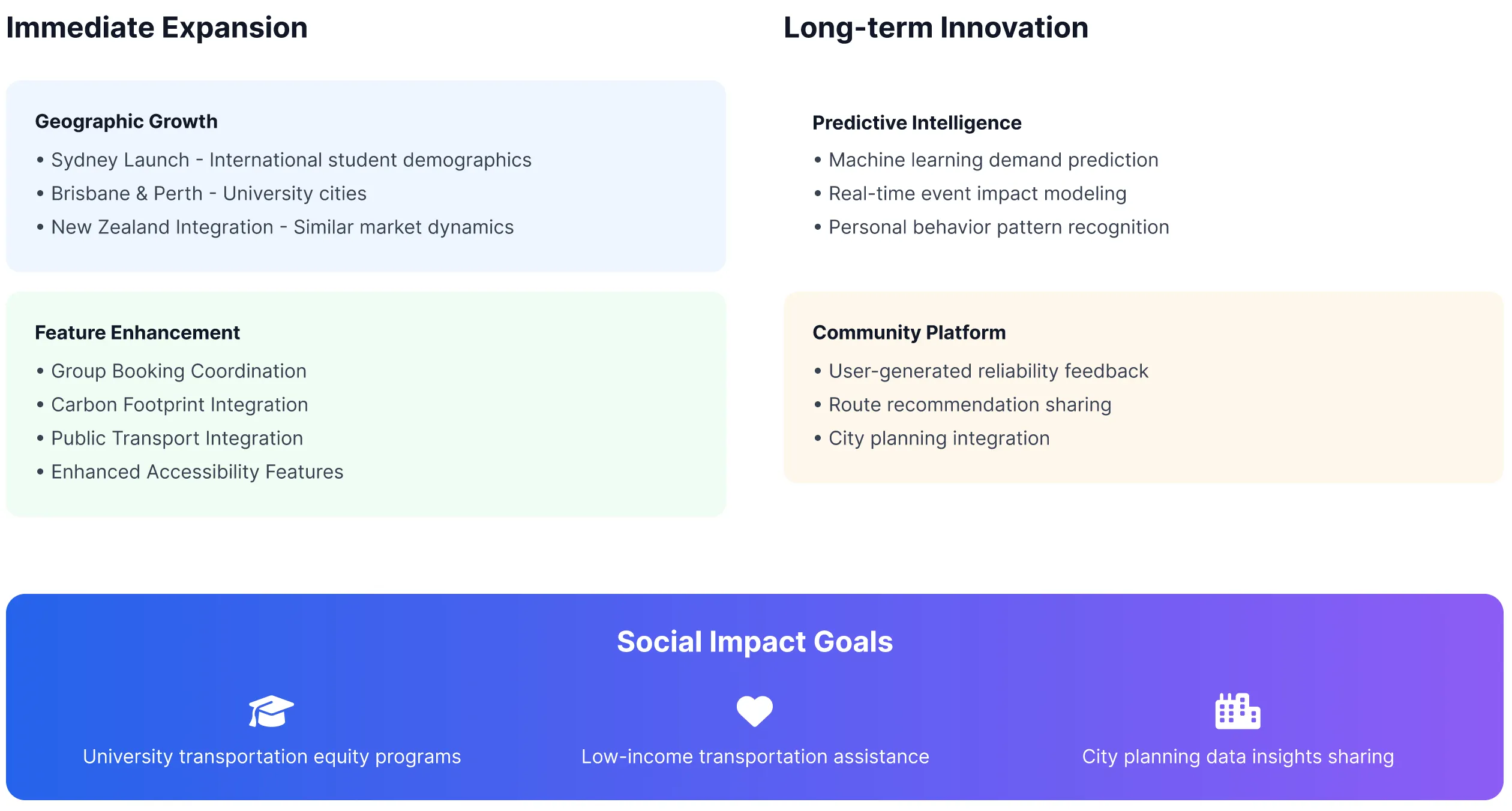
Seeing international students save hundreds of dollars annually while reducing transportation stress validates the original vision: technology should empower informed decisions rather than create additional complexity. RideSmart has become more than a price comparison tool, it’s a platform for transportation equity and financial empowerment in Melbourne’s diverse urban community.